Teacher Retro SVG PNG Sublimation: An Embroidery Review
As a professional embroidery designer and product reviewer, I approach every new graphic asset with a critical eye toward stitchability. When evaluating the Teacher Retro SVG PNG Sublimation package, my primary focus is not just how it looks on a screen, but how it translates into thread on fabric. This digital download includes seven distinct items: one EPS file, three 300 DPI PNGs in color, black, and white, and three corresponding SVG files. For those of us in the Crafts industry, specifically working with Graphics for textile application, this bundle offers a versatile starting point. However, moving from a vector or raster image to a tangible machine embroidery design requires careful consideration of line weight, detail retention, and fabric compatibility.
First Impressions and Design Aesthetics
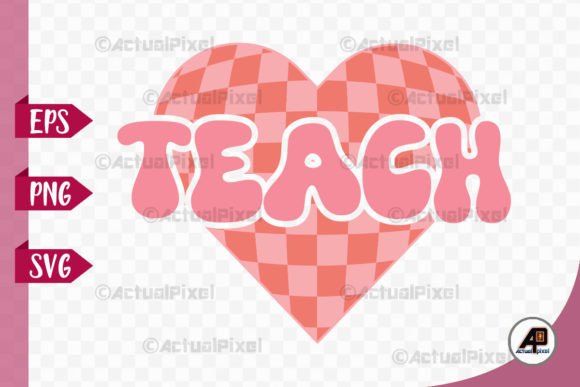
The retro aesthetic currently dominating the handmade market relies heavily on bold shapes, nostalgic typography, and balanced negative space. Upon opening the SVG files included in this set, the clean lines immediately suggest potential for both traditional embroidery and appliqué work. The visual personality feels warm and approachable, making it inherently suitable for educational themes without feeling juvenile. As an Etsy seller or boutique owner, you recognize that "retro" implies a specific mood—muted tones, groovy fonts, and iconic imagery. This design captures that sentiment well.
From a technical standpoint, the inclusion of high-resolution 300 DPI PNGs is crucial for creating accurate printable mockups. Before I even load a hoop, I use these PNGs to visualize placement on dark versus light garments. The black and white variations are particularly valuable for digitizers; they serve as excellent base templates for tracing or auto-digitizing software, allowing you to isolate specific elements for a custom embroidery file. The EPS file provides the scalable vector data necessary if you need to resize elements significantly before converting them into stitches, ensuring that curves remain smooth rather than pixelated.
Real-World Application: The Teacher Tote Bag Test
To truly evaluate this asset, I mentally placed it into a real-life production scenario: creating a personalized canvas tote bag for a teacher appreciation gift. Tote bags are a staple small shop product, but they present unique challenges due to the coarse weave of canvas and the structural stress the bag endures.
In this scenario, the Teacher Retro SVG PNG Sublimation design serves as the centerpiece. Because the original files are graphics, I would first assess the line thickness. Retro designs often feature varying stroke widths. For embroidery, inconsistent lines can be problematic; a line that tapers too thinly may disappear under a standard satin stitch, while overly thick areas might require excessive density. For a tote bag, I would likely convert the bolder retro elements into an applique design. Using the SVG as a guide, I could create a felt or cotton fabric shape for the main body of the graphic, securing it with a tight satin border. This reduces overall stitch density, prevents the heavy canvas from puckering, and adds a tactile, premium quality that customers associate with high-end handmade products.
If stitching directly onto a sweatshirt instead, the approach shifts. Fleece and french terry fabrics have texture and stretch. Here, the crisp vectors from the SVG allow for precise digitizing of fill stitch areas. I would use the black and white PNG version to map out color blocks, ensuring that the retro palette translates effectively into available thread colors. The goal is to maintain the design’s vintage charm while ensuring the finished product survives washing without distorting.
Navigating Fabric Limitations and Hoop Constraints
While the versatility of this graphic pack is a strength, practical application requires caution depending on your substrate. Not every iteration of this design will work on every material.
- Stretchy Fabrics: If applying this to baby clothes or performance wear, the retro lettering must be stabilized aggressively. Knits move; ink does not. Without proper cut-away stabilizer, the design will warp. Consider simplifying the SVG elements to reduce stitch count on delicate infant garments.
- Textured Surfaces: On towels or nubby linens, fine details within the retro motif may get lost. Use the high-contrast black PNG to identify which details are essential and which can be omitted. Sometimes, less is more for stitch clarity.
- Curved Surfaces: Caps and curved sleeves distort flat graphics. The symmetrical nature of many retro designs helps here, but always test the hoop size alignment. You may need to separate the SVG layers to curve the text independently from the central icon.
- Small Scale Items: For tags, patches, or sleeve cuffs, verify that the smallest text remains legible. Serif fonts common in retro styles can become muddy when scaled down below 0.25 inches. In such cases, modify the design to remove serifs or switch to a simpler running stitch outline.
Commercial Viability and Professional Presentation
For creative entrepreneurs, the value of design assets lies in their ability to generate revenue across multiple channels. This bundle supports both physical and digital business models. The 300 DPI PNGs are perfectly sized for listing photos on Etsy or Shopify, allowing you to showcase the design on various blanks without physically embroidering every variation. This efficiency is vital for maintaining a fresh inventory of digital embroidery files or sublimation prints.
However, professionalism hinges on execution. A custom apparel piece featuring this design must look intentional. Ensure your thread tension is balanced so that the retro colors pop against the fabric. Check licensing terms explicitly before selling finished goods or modified digital files; understanding your commercial rights protects your craft business from infringement issues. Furthermore, consistency builds brand trust. If you use this graphic for a holiday embroidery collection, ensure the color palette matches your shop’s established aesthetic. Customers return for cohesive branding, not just individual cute designs.
Essential Designer Notes for Success
Before committing this graphic to a final embroidery project, adhere to these professional best practices:
- Always Test Stitch: Never run a new digitization directly on a client’s garment. Use scrap fabric similar in weight and weave to your final product. This reveals tension issues and stabilizer inadequacies.
- Verify File Integrity: While the download promises specific formats, always open the SVG and EPS files in your editing software to confirm all nodes are closed and paths are continuous. Broken vectors lead to jump stitches.
- Contrast Check: View the black and white PNG versions at actual print size. If you cannot distinguish the design elements in grayscale, your thread contrast will likely fail on mid-tone fabrics.
- Density Management: Retro designs can be deceptively dense. Calculate your estimated stitch count relative to your hoop size. Overly dense designs on lightweight fabric cause bulletproof stiffness; under-dense designs on fleece look sparse.
- Mockup Validation: Use the provided PNGs to create realistic previews for customers. Accurate representation reduces returns and increases buyer confidence in your personalized gift offerings.
The Teacher Retro SVG PNG Sublimation package is a robust foundation for makers. Its multi-format delivery acknowledges the hybrid workflow of modern crafters who sublimate, embroider, and sell digitally. By treating these graphics as raw materials rather than finished products, and by applying rigorous testing protocols, you can transform these vectors into high-quality, profitable embroidered goods that resonate with teachers and gift-buyers alike. Remember, the difference between a generic graphic and a cherished embroidered patch or garment lies entirely in the thoughtful translation from screen to stitch.