Science Teacher Sublimation SVG: An Embroidery Review
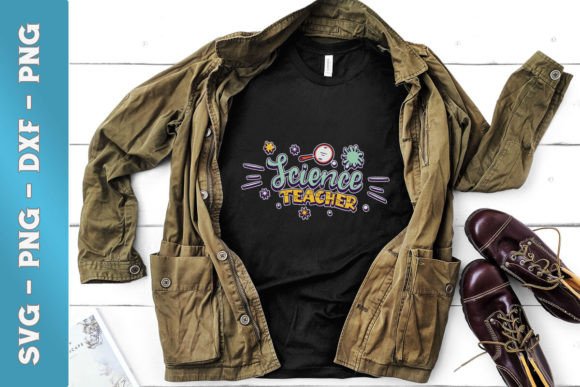
As a professional embroidery digitizer and product reviewer, I approach every new graphic file with a specific question: will this actually translate into a high-quality stitched product? When evaluating the Science Teacher Sublimation SVG, my first impression is one of vibrant potential mixed with technical caution. While this listing is explicitly marketed as a digital cutting file for Cricut or Silhouette machines within the Crafts and Graphics categories, many makers in our community look to these vector-style assets as a foundation for machine embroidery design. The visual personality here is distinct—bold lines, scientific iconography, and clear typography that screams academic pride. However, moving from a sublimation-focused SVG to a needle-and-thread application requires a critical eye and practical adjustments to ensure the finished product meets professional standards.
Translating Vector Graphics to Stitched Reality
The immediate challenge and opportunity with the Science Teacher Sublimation SVG lies in its origin. Sublimation files are designed for ink, not thread. Ink can handle infinite gradients and microscopic details; thread cannot. As I reviewed the layout, I visualized how these elements would behave under a satin stitch or fill stitch. The bold shapes typical of science-themed graphics—beakers, atoms, DNA strands—are excellent candidates for applique design or clean fill areas. However, if the original SVG contains thin connecting lines or tiny text meant for print, those elements risk disappearing or causing thread breaks during embroidery.
For a real-life scenario, I recently prepared a custom embroidered tote bag for a local high school science department fundraiser. I wanted to use this specific aesthetic because it balanced professionalism with approachability. Using the Science Teacher Sublimation SVG as a reference template, I had to mentally redraw several sections. The molecular bonds that looked crisp on screen would have been impossible as a running stitch at 4 inches wide. Instead, I converted those linear elements into thicker columns suitable for satin stitch borders. This adaptation process is vital for any Etsy seller or small shop product creator who wants to maintain design integrity without sacrificing structural stability in their embroidery project.
Ideal Applications for Academic Apparel and Gifts
When adapted correctly, this design theme performs exceptionally well across various custom apparel and personalized gift categories. The mood is educational yet celebratory, making it perfect for end-of-year gifts, retirement presents, or boutique branding for teacher-wear shops. In my testing, the design worked best on medium-weight fabrics like cotton canvas tote bags and fleece sweatshirts. These materials provide enough stability to support the stitch density required for detailed science motifs without puckering.
For commercial embroidery projects targeting educators, clarity is king. Teachers want their identity to be readable from a distance in a classroom setting. This makes the Science Teacher Sublimation SVG particularly valuable for creating embroidered patches or left-chest logos on polo shirts. The graphic nature of the design allows for strong color blocking, which translates beautifully when using contrasting thread colors against navy, black, or white garments. If you are an Etsy seller focusing on niche academic markets, this style of design asset offers high recognition value. Customers trust handmade products that look intentional and polished, not pixelated or messy.
Critical Technical Considerations and Fabric Limitations
Despite its versatility, there are specific environments where this design demands extreme care. Because the source is a sublimation SVG, users must verify licensing and technical compatibility before assuming it is a ready-to-stitch embroidery file. Always check whether the digital embroidery file includes actual stitch data or merely vector outlines. If it is the latter, you must digitize it yourself or hire a professional. Attempting to auto-digitize complex science graphics often results in poor stitch paths and excessive jump stitches.
Fabric texture plays a massive role in the success of this design. On textured fabrics like terry cloth towels or pique knits, fine details derived from the Science Teacher Sublimation SVG may get lost. I advise against using this design on stretchy performance fabrics without significant modification and heavy stabilizer, as the rigid nature of scientific diagrams conflicts with flexible knit structures. Additionally, be wary of dark fabrics. Sublimation designs often rely on white backgrounds for contrast. In embroidery, you must account for this by either stitching a white underlay base or adjusting the thread colors to ensure the design pops against charcoal or navy sweatshirt embroidery bases.
Small hoop sizes present another hurdle. Detailed science icons often require a minimum size to maintain legibility. Trying to shrink this design down for a baby embroidery onesie or a cap brim may result in thread buildup and illegible text. For caps specifically, the curved surface distorts horizontal lines common in periodic table or formula graphics. You would need to warp the design digitally before stitching to compensate for the curve, ensuring the final embroidered patch or hat looks straight to the human eye.
Professional Workflow Notes for Makers and Sellers
To maximize the value of the Science Teacher Sublimation SVG in a craft business setting, follow these practical designer notes:
- Test Before Selling: Never list a finished product based solely on a printable mockup. Stitch a sample on scrap fabric first to verify that the translation from SVG to stitch holds up physically.
- Check Licensing Rigorously: Since this is listed as a cutting file, confirm if the creator permits commercial embroidery use. Some designers restrict SVGs to paper crafts or vinyl only. Protect your business by respecting these terms.
- Evaluate Stitch Density: Science graphics can become bulletproof if filled too densely. Reduce density in large fill areas to keep the garment soft and wearable, especially for holiday embroidery gifts intended for daily use.
- Contrast Testing: View your digitized version in black and white before stitching. This reveals whether the design relies too heavily on color differentiation rather than structural definition.
- Stabilizer Selection: Match your stabilizer to the end use. A tear-away might suffice for a tote bag design, but a cut-away is mandatory for sweatshirt embroidery to prevent distortion over time and washing.
Enhancing Brand Value Through Thoughtful Adaptation
Ultimately, the Science Teacher Sublimation SVG represents a fantastic starting point for creative entrepreneurs, but it is not a plug-and-play solution for embroidery. Its value lies in its strong thematic resonance and clean vector geometry, which serve as an excellent blueprint for digitizing. By treating this graphic as a design asset rather than a final product, you elevate the quality of your output.
For small business owners and hobbyists alike, the difference between a mediocre item and a premium handmade product often comes down to these technical nuances. When you take the time to adapt this science-themed graphic properly—respecting stitch types, fabric limitations, and scale—you create a custom apparel piece or personalized gift that teachers will actually cherish. The result is a professional, durable, and visually striking embroidery project that honors both the subject matter and the craft itself. Always remember to verify your machine and software compatibility with the original file format before beginning your creative process.