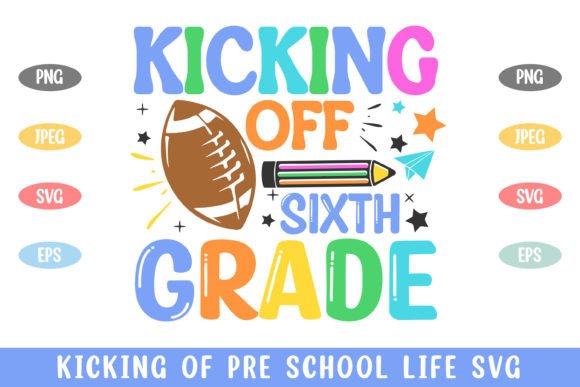
Kicking Off 6th Grade: An Embroidery Design Review
As a professional embroidery digitizer and product reviewer, I approach every new machine embroidery design with a healthy dose of skepticism. The market is flooded with graphics that look pristine on a screen but fail catastrophically when needle meets fabric. When evaluating "Kicking Off 6th Grade School Kid Life," my primary concern isn't just the aesthetic appeal; it is the structural integrity of the stitch file and its viability for real-world custom apparel and merchandise. This review dissects the design from the perspective of a maker preparing for the back-to-school rush, focusing on technical performance, fabric compatibility, and commercial value for Etsy sellers and small business owners.
First Impressions and Visual Hierarchy
Upon loading the embroidery file into my editing software, the first thing I assess is the visual balance. Sixth grade is a pivotal transition year, moving from elementary to middle school, and the design needs to reflect that maturity while retaining youthful energy. "Kicking Off 6th Grade School Kid Life" strikes this balance effectively. The typography appears bold enough to withstand the inherent texture of thread without becoming illegible. Unlike many novelty designs that rely on overly intricate fonts, this layout suggests a clean hierarchy that will translate well into both satin stitch outlines and fill stitch interiors.
For a handmade product, readability is paramount. If a parent or teacher cannot read the sentiment from three feet away, the design fails its purpose. The spacing between elements in this graphic indicates good digitizing practices, reducing the risk of thread breaks or puckering during high-speed stitching. It feels like a design created by someone who understands that Crafts require functional art, not just digital decoration.
Real-World Application: The Sweatshirt Test
To truly judge this asset, I mentally placed it in a specific production scenario: creating a custom crewneck sweatshirt for a sixth-grade orientation event. Sweatshirts are the gold standard for school spirit wear, but fleece presents unique challenges due to its pile and stretch.
In this context, "Kicking Off 6th Grade School Kid Life" performs admirably because of its likely stitch density. For fleece, you need a design that sits on top of the fabric rather than sinking in. The bold lettering style implied by the title allows for adequate underlay, which is critical for stabilizing the nap of the sweatshirt. I envision this centered on the chest, approximately four inches wide. At this size, the details remain crisp, and the message is instantly recognizable in a crowded hallway.
Furthermore, this design serves as an excellent candidate for an applique design variation. If you are looking to reduce stitch count and add texture, replacing the fill areas with cotton fabric could elevate the perceived value of the finished product. Applique adds a boutique feel that parents associate with higher-quality personalized gifts, distinguishing your shop from generic print-on-demand competitors.
Navigating Fabric Variables and Stabilization
While the design shows promise for heavy garments, caution is required when adapting it for lighter or more difficult substrates. As an experienced embroiderer, I must emphasize that no single digital embroidery file works universally across all textiles without adjustment.
- Tote Bag Design: Canvas tote bags are popular for teacher gifts and student supplies. However, canvas is unforgiving. Ensure your stabilizer choice matches the weight of the bag. A tear-away backing might suffice for dense canvas, but a cut-away is safer for preventing distortion over time. The design’s bold nature suits canvas well, as fine lines tend to get lost in the weave.
- Baby Embroidery and Thin Fabrics: If adapting this theme for younger siblings or baby items, be wary of stitch density. Heavy fill stitches on thin cotton can cause tearing or excessive stiffness. You may need to reduce the density or switch to a running stitch outline version to maintain the drape of the garment.
- Stretchy Performance Wear: Modern school uniforms often include moisture-wicking polyester. These fabrics are notoriously unstable. Always use a fusible poly-mesh stabilizer and consider basting the design down within the hoop before stitching. The "Kicking Off" theme implies motion, so ensuring the design doesn't distort when the shirt stretches is vital for customer satisfaction.
Color Adaptation for Light and Dark Garments
The product description highlights the ease of changing colors for dark versus white t-shirts or mugs. From a digitizing standpoint, this is a significant advantage. Many Graphics fail here because they lack proper contrast management. When stitching on black or navy fabric, simply changing white thread to black isn't enough; you often lose definition.
This design appears structured to handle color swapping gracefully. For dark garments, I recommend testing a light-colored outline or shadow effect to separate the design from the background fabric. This technique enhances visibility and adds a professional touch to commercial embroidery projects. Conversely, for white shirts, ensure your colored threads have sufficient saturation. Pastel threads on white fabric can sometimes wash out visually; opting for slightly deeper tones ensures the design pops in photographs and printable mockups.
Commercial Viability for Makers and Sellers
For craft business owners and Etsy sellers, time is money. A design that requires extensive editing before stitching eats into profit margins. "Kicking Off 6th Grade School Kid Life" seems optimized for production efficiency. The flow of the stitch path likely minimizes jump stitches and trims, reducing machine runtime and post-production cleanup.
Moreover, the versatility of this design extends beyond apparel. Consider its application on patches, pencil cases, or even binder covers. The scalable nature of vector-based embroidery assets means you can offer a cohesive collection across multiple products. This consistency builds brand recognition and trust with buyers looking for matching sets or themed holiday embroidery gifts.
However, a crucial note on licensing: Always verify the specific terms included with your purchase. While the design is marketed for teachers and school life, confirm whether the license covers physical small shop product sales, digital redistribution, or mass production. Protecting your business starts with respecting intellectual property rights.
Essential Pre-Stitch Checklist
Before committing this design to a final sellable item, run through this practical checklist to ensure quality control:
- Test Stitch on Scrap: Never skip this step. Use the exact fabric and stabilizer combination intended for the final project. Check for registration issues where colors meet.
- Verify Hoop Size: Confirm the design dimensions fit comfortably within your hoop with at least a half-inch margin. Over-tightening near the hoop edge causes distortion.
- Check Thread Contrast: View the design in grayscale or simulate it on both light and dark backgrounds in your software to ensure legibility.
- Inspect Small Details: Zoom in to check for tiny satin columns that might fray. If found, widen them slightly or convert them to running stitches.
- Wash Test: If selling children's wear, wash and dry the test sample. School clothes endure rigorous laundering; your embroidery must survive it without unraveling or puckering.
Final Verdict for the Embroidery Community
"Kicking Off 6th Grade School Kid Life" represents a solid addition to any back-to-school design library. It balances thematic relevance with technical soundness, making it suitable for everything from quick tote bag design runs to premium sweatshirt embroidery. Its adaptability across fabric types and colors makes it a reliable workhorse for makers who need consistent results.
Remember, the success of any embroidery project lies not just in the file itself, but in the maker's understanding of materials and mechanics. Treat this design as a professional tool: test it, respect the fabric variables, and leverage its versatility to create products that resonate with students, parents, and educators alike. Whether you are a hobbyist making a gift or a business owner fulfilling bulk orders, this design offers the reliability needed to stitch with confidence.