Second Grade SVG: A Designer’s Embroidery Review
As a professional embroidery digitizer and product reviewer, I approach every new graphic asset with a specific question: will this actually stitch out cleanly on fabric? When evaluating the Second Grade Svg, 2nd Grade Cut File, my focus shifts immediately from screen aesthetics to needle performance. While this file is marketed primarily as a cut file for vinyl crafters, its bold, swoosh-style typography makes it a compelling candidate for machine embroidery adaptation. For Etsy sellers, apparel decorators, and school spirit merchandise creators, understanding how this graphic translates into thread is the difference between a frustrating hoop-out and a best-selling personalized gift.
First Impressions: Visual Weight and Stitch Potential
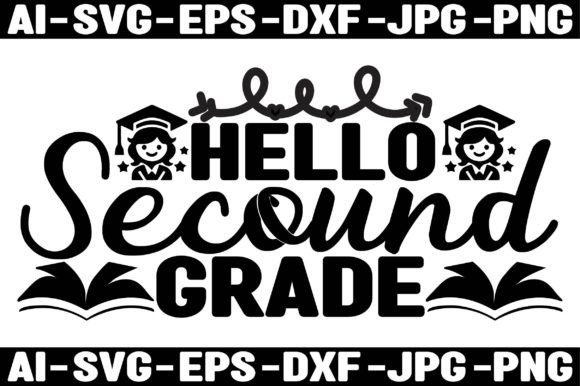
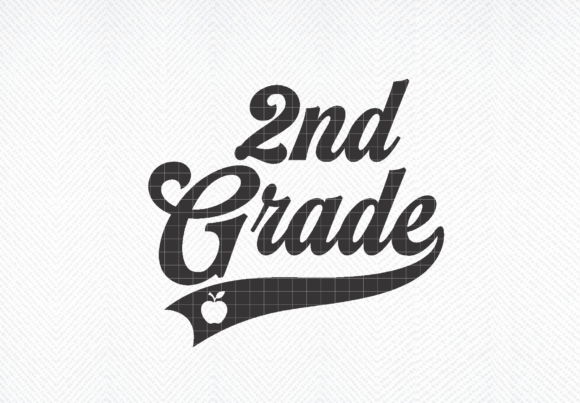
My initial assessment of the Second Grade Svg, 2nd Grade Cut File reveals a design rooted in celebration and movement. The "swoosh" element mentioned in the product description suggests dynamic lines rather than rigid block letters. From an embroidery design perspective, this is excellent news. Curved, flowing lines generally digitize better than sharp, microscopic corners because they allow the machine to maintain momentum without excessive stop-and-go stitching.
The visual personality here is energetic yet legible, which is crucial for school-related crafts. As a graphics asset, it strikes a balance between playful and professional. However, before loading this into digitizing software, I note that the original vector points must be clean. Jagged nodes in the SVG can translate to jagged satin stitches or uneven fill areas. For a handmade product intended for commercial sale, the foundation vector art must be pristine to ensure the final embroidered patch or sweatshirt embroidery looks intentional, not amateurish.
Real-World Application: The Custom Teacher Sweatshirt Test
To truly evaluate this design, I mentally placed it in a real-life production scenario: creating a custom crewneck sweatshirt for a second-grade teacher. This is a staple item for any craft business or boutique branding effort during back-to-school season. Teachers want apparel that feels personal but remains durable through frequent washing.
In this context, the Second Grade Svg, 2nd Grade Cut File serves as the perfect centerpiece. Because the design likely features bold lettering and graphic accents, it lends itself beautifully to a combination of applique design techniques and traditional stitching. Using appliqué for the main body of the text reduces overall stitch density, keeping the sweatshirt soft and wearable rather than stiff and bulletproof. The swoosh accent could then be rendered in a dense satin stitch or a textured running stitch to add tactile contrast against the fleece fabric texture.
For an Etsy seller, this application increases perceived value. A flat vinyl print might peel after ten washes, but a properly stabilized embroidery project using this design creates a premium, heirloom-quality feel. It transforms a basic garment into a cherished personalized gift that parents and colleagues recognize as high-effort craftsmanship.
Navigating Fabric Variables and Hoop Constraints
While the design is versatile, practical experience dictates caution regarding where and how you deploy it. Not all substrates are created equal when stitching school-themed graphics.
- Stretchy Knits and Fleece: When applying this design to sweatshirts or baby clothes, push-pull distortion is your enemy. The curves in the Second Grade SVG must be compensated for during digitizing. Always use a high-quality cut-away stabilizer to prevent the letters from sinking into the pile or warping out of shape.
- Textured Fabrics: On terry cloth towels or canvas tote bags, fine details can get lost. If the SVG includes thin decorative elements within the swoosh, consider thickening them slightly during the digitizing process or using a topping stabilizer to keep the stitches visible above the fabric nap.
- Small Hoop Sizes: If you are working with a 4x4 hoop size for baby embroidery or cap designs, scaling down is risky. Verify that the smallest interior spaces in the "2nd Grade" lettering remain open after resizing. If the gaps close up, the design will look muddy. You may need to simplify the graphic specifically for smaller formats.
- Dark vs. Light Fabrics: High contrast is key for readability. Test your thread colors against both white and navy fabrics. A design that pops on white cotton might disappear on dark denim unless you adjust the underlay or choose brighter thread colors.
Commercial Viability and Brand Consistency
For creative entrepreneurs and small shop owners, the Second Grade Svg, 2nd Grade Cut File represents more than just a single project; it is a scalable design asset. Its clean geometry allows for easy color swapping to match different school districts or team colors without losing brand consistency. This adaptability is vital for maintaining a cohesive shop aesthetic while offering customization.
However, professionalism extends beyond the stitch-out. Before listing any finished product or digital embroidery file derived from this asset, you must confirm licensing. Ensure the original purchase grants commercial rights for both physical goods and potential digital resale if you plan to sell the digitized version. Customer trust hinges on ethical sourcing. Additionally, always create printable mockups and actual stitched samples for your listings. Buyers need to see how the design interacts with fabric grain and lighting, not just a flat digital rendering. This transparency reduces returns and builds long-term buyer engagement.
Essential Pre-Stitch Checklist for Makers
Before committing this design to a final product, run through this practical checklist to ensure professional results:
- Verify Vector Integrity: Open the SVG in your digitizing software. Check for overlapping paths or stray nodes that could cause unnecessary trims or jumps in the embroidery file.
- Determine Stitch Type: Decide early if elements will be satin stitch, fill stitch, or applique. Do not mix these arbitrarily; let the design's flow dictate the technique.
- Test on Scrap Fabric: Never stitch directly onto a customer’s garment first. Use a scrap of the exact same material and stabilizer combination to check registration and tension.
- Check Licensing Terms: Re-read the specific license included with the Second Grade SVG download. Confirm whether attribution is required or if there are limits on the number of units sold.
- Evaluate Washability: If making tea towels or baby items, ensure the stitch density isn't so high that it damages the fabric during laundering. Adjust pull compensation accordingly.
- Mockup in Context: Create black and white mockups to test value contrast independent of color. If the design reads well in grayscale, it will read well in thread.
Final Thoughts on Design Translation
The Second Grade Svg, 2nd Grade Cut File offers a strong foundation for school-season merchandise, provided it is treated with the respect due to textile arts. It bridges the gap between digital graphics and tangible crafts effectively when the maker understands the nuances of stitch density, stabilizer selection, and fabric behavior. Whether you are producing custom apparel for a local PTA fundraiser or building an inventory of holiday embroidery gifts for your online boutique, success lies in the preparation. By viewing this SVG not just as a picture, but as a blueprint for thread, you elevate your work from simple crafting to professional textile design. Always prioritize the integrity of the stitch-out over speed, and your customers will recognize the quality in every loop and satin column.