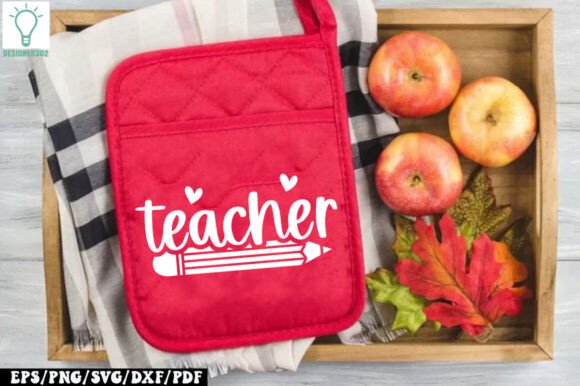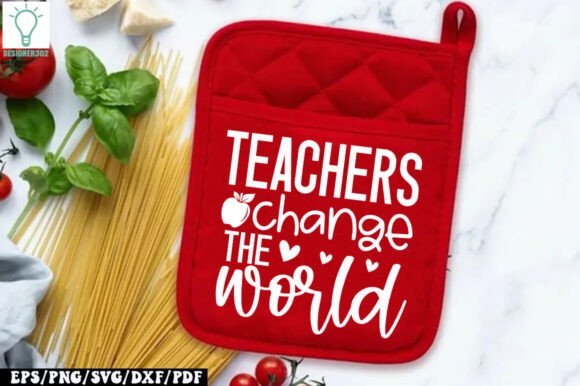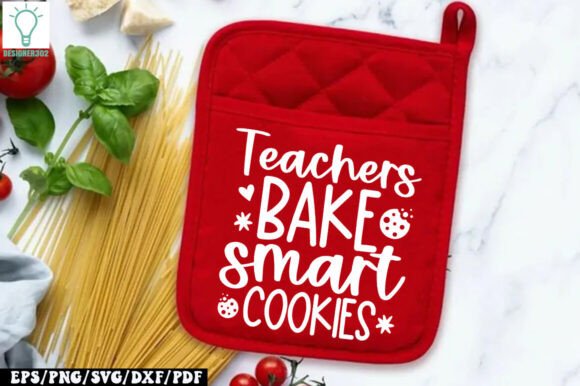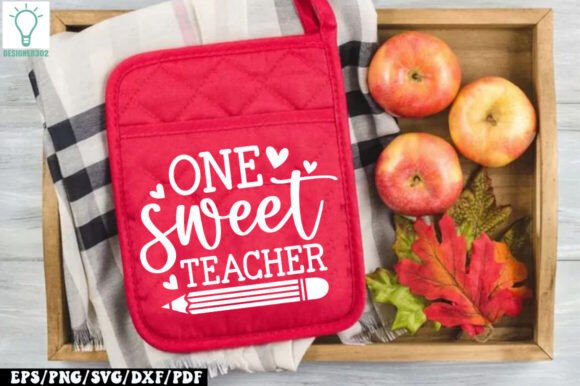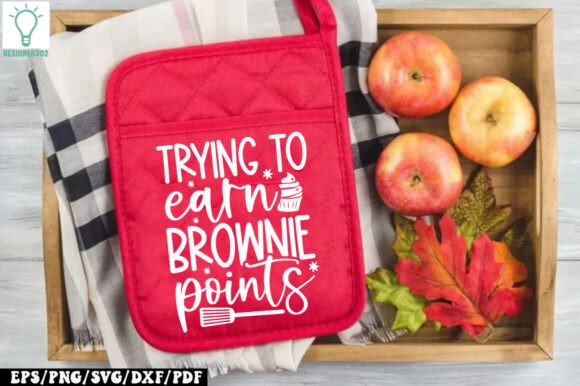
Trying to Earn Brownie Points Pot Holder Review
As a professional embroidery designer and product reviewer, I approach every new digital asset with a critical eye toward its final stitched reality. When evaluating the Trying to Earn Brownie Points Pot Holder design, my primary focus is not just on the screen preview, but on how this graphic translates into a tangible, functional handmade product. This design, part of a broader Teacher and School SVG Bundle, carries a distinct whimsical charm that appeals to specific niches. However, moving from a vector file to a finished textile requires careful consideration of stitch mechanics, fabric interaction, and end-user expectations.
First Impressions and Design Personality
Upon opening the zipped folder containing the SVG, DXF, PNG, EPS, and PDF formats, the visual personality of this design immediately stands out. It strikes a balance between nostalgic schoolhouse aesthetics and modern kitchen functionality. The phrase "Trying to Earn Brownie Points" evokes a sense of playful effort, making it emotionally resonant for teachers, parents, or anyone who appreciates retro domestic humor. As a machine embroidery design, the layout appears balanced, suggesting it was digitized with the center of gravity in mind. This is crucial for pot holders, where an off-center design can make the item look amateurish when hung on a hook or used at the stove.
The inclusion of multiple file types indicates versatility. While the SVG is optimized for Cricut Design Space and Silhouette Designer for vinyl or paper crafts, the presence of EPS and PDF formats suggests potential adaptability for commercial embroidery digitizing software. For those of us creating custom apparel or kitchen textiles, having these source files allows for necessary adjustments before hitting the start button on the embroidery machine.
Real-World Application: The Teacher Appreciation Tote
To truly evaluate this asset, I mentally placed it into a real-life production scenario: creating a custom canvas tote bag for a teacher appreciation gift. In this context, the Trying to Earn Brownie Points Pot Holder design serves as more than just decoration; it acts as a conversation starter. Canvas is a forgiving fabric, but it has texture. I assessed how the design’s lines would interact with the weave of natural cotton duck cloth.
In this application, the design performs best when treated as a focal point rather than an all-over pattern. If utilizing this as an applique design, the shapes need to be bold enough to accommodate fabric turnover without fraying. If executing purely as thread work, the contrast between the thread colors and the unbleached canvas becomes paramount. A dark brown or navy thread against natural canvas provides the readability required for the text element to land effectively. This specific use case highlights the design's strength: it bridges the gap between a utilitarian object and a personalized gift with emotional value.
Navigating Fabric Variables and Hoop Constraints
While the design is charming, practical execution demands caution regarding substrate selection. Not all fabrics are created equal, and this graphic has specific preferences based on its likely stitch structure.
- Textured Fabrics: On terry cloth or waffle-weave towels, fine details can get lost. If the design includes small running stitches or intricate lettering, you must increase stitch density or simplify elements to prevent them from sinking into the pile.
- Stretchy Materials: Using this on jersey knit for a sweatshirt or baby onesie requires significant stabilization. Without a cut-away stabilizer and proper hooping tension, the registration marks could shift, causing gaps between fill areas and outlines.
- Dark vs. Light Backgrounds: Always test colorways. A design that looks vibrant on a white screen may disappear on black denim. Ensure your thread colors have sufficient value contrast against the chosen garment color.
- Hoop Size Limitations: Verify the physical dimensions of the embroidery file against your available hoops. Resizing a complex design by more than 10-15% can distort stitch angles and compromise structural integrity.
For small business owners producing commercial embroidery items, consistency across different fabric types is key to maintaining brand trust. If you sell this design on both aprons and tea towels, ensure the stitch count and density are adjusted specifically for each material weight.
Impact on Product Value and Customer Perception
The quality of the digitization directly influences the perceived value of the finished product. When a customer purchases a handmade item featuring the Trying to Earn Brownie Points Pot Holder motif, they are judging your craftsmanship through the lens of this design. Clean satin stitch borders, smooth fill areas, and legible text signal professionalism. Conversely, puckering fabric, thread breaks, or misaligned elements suggest a lack of testing.
From a marketing perspective, this design supports strong storytelling. For Etsy sellers and craft fair vendors, the narrative of "earning brownie points" allows for engaging product descriptions and social media content. It transforms a simple kitchen accessory into a relatable token of affection. However, this only works if the visual presentation matches the sentiment. High-quality printable mockups using the included PNG files can help validate market interest before committing to physical production, saving time and materials.
Critical Notes for Makers and Sellers
Before adding this to your production lineup or digital shop, adhere to these professional best practices to ensure success:
- Test Stitch First: Never run a new design on a final product without a test sew-out on similar scrap fabric. Check for jump stitches, trim frequency, and overall stability.
- Verify Licensing: Confirm whether your purchase includes commercial rights for selling finished embroidered goods versus selling the digital file itself. Protecting your business starts with respecting intellectual property terms.
- Check Compatibility: While SVG works for cutting machines, ensure you have the correct embroidery-specific format (PES, DST, JEF, etc.) for your machine. You may need to convert the provided vector files using digitizing software if native embroidery formats are not included in the bundle.
- Stabilizer Selection: Match your backing to the fabric. Use tear-away for stable woven cottons and cut-away for knits or stretchy blends to prevent distortion during washing.
- Mockup Accuracy: When listing products online, use realistic mockups that accurately represent the scale and placement of the design. Misleading previews lead to returns and negative reviews.
Final Verdict for Creative Entrepreneurs
The Trying to Earn Brownie Points Pot Holder design offers significant potential for makers in the education, parenting, and home decor niches. Its success lies not just in the graphic itself, but in the thoughtful application of embroidery principles. By respecting fabric limitations, testing rigorously, and presenting the final item with care, this design can become a staple in your catalog of design assets. Whether you are crafting a one-off holiday gift or scaling a line of teacher-themed merchandise, approaching this file with technical discipline ensures the final result is as sweet as the sentiment it conveys.