Math is Not a Spectator Sport: Design Review
As an embroidery digitizer and product reviewer, I approach every new graphic with a specific question: will this actually stitch out well, or is it just a pretty picture on a screen? When evaluating Math is Not a Spectator Sport Funny Math, my focus shifts immediately from the digital preview to the tactile reality of thread on fabric. This design carries a distinct personality that appeals to educators, students, and math enthusiasts, but translating that wit into a durable machine embroidery design requires careful consideration of structure, density, and end-use application.
First Impressions and Visual Personality
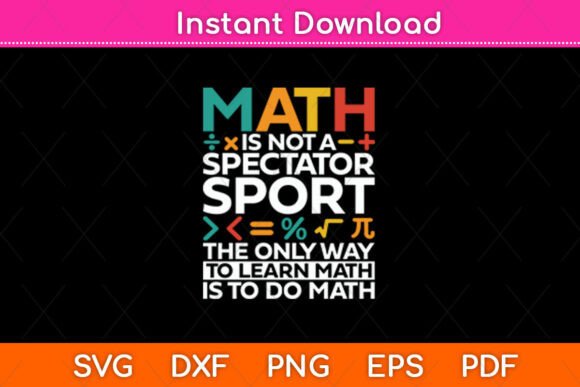
The phrase "Math is Not a Spectator Sport" inherently suggests action, participation, and perhaps a bit of chaotic energy. Visually, designs in this niche often balance academic symbols with playful typography. From a designer’s perspective, this creates a unique challenge. The mood is lighthearted and intellectual, making it an excellent candidate for custom apparel and teacher appreciation gifts. However, the visual weight must be assessed critically. If the graphic elements are too dense, the humor gets lost in a puckered mess of stitches. If they are too sparse, the design lacks the presence needed for a finished product to stand out at a craft fair or in an Etsy listing.
This particular theme naturally belongs on items that see daily use and conversation. It isn't formal wear; it is personality-driven merchandise. Whether intended for a sweatshirt embroidery project or a canvas tote, the design needs to communicate clearly from a distance while retaining charm up close. As a digital embroidery file, its success depends entirely on how well the original SVG artwork has been interpreted for needle and thread rather than vinyl or print.
Real-World Application: The Teacher Tote Test
To truly evaluate this asset, I mentally placed it in a real-life scenario: creating a custom embroidered tote bag for a high school calculus teacher. Totes are high-stress items; they carry heavy books, get tossed onto desks, and undergo frequent washing. For this tote bag design, clarity is paramount. A complex illustration might look stunning as a Graphics file on a computer, but on canvas, fine lines can disappear or break.
In this case study, I would prioritize bold lettering and simplified mathematical icons over intricate shading. The goal is legibility. If I were producing this as a handmade product for sale, I would ensure the text uses a robust satin stitch or a filled column stitch rather than a thin running stitch that could snag on keys or zippers. The humor relies on reading the text quickly; if the recipient has to squint to decipher the joke, the design fails functionally even if it succeeds artistically. This practical test determines whether the file is suitable for commercial embroidery ventures where customer satisfaction hinges on durability and readability.
Fabric Compatibility and Hoop Considerations
Not all fabrics treat Math is Not a Spectator Sport Funny Math equally. While this design likely shines on stable cottons and canvas, caution is required for other materials common in Crafts.
- Stretchy Fabrics: On jersey knits or performance tees, stitch density becomes the enemy. Heavy fill areas can cause tunneling or distortion. Always pair this design with appropriate cut-away stabilizer and consider a water-soluble topping to prevent stitches from sinking into the knit.
- Textured Surfaces: Terry cloth towels or fleece blankets require a different approach. Fine details in math symbols may get lost in the pile. Increasing underlay stitches and using a heavier top thread can help the design sit atop the fabric texture rather than merging with it.
- Curved Items: Caps and hats present significant hooping challenges. If the design layout is wide or tall, verify your hoop size limits before purchasing. Curved surfaces distort straight lines, so geometric math symbols may need manual adjustment to appear straight once stitched on a curved brim.
- Dark vs. Light Fabrics: Contrast is non-negotiable. White thread on white fabric renders invisible. Test thread colors against your intended garment color. Sometimes, outlining light text with a darker running stitch improves definition without increasing density excessively.
Impact on Product Value and Brand Trust
For Etsy sellers and small shop owners, the quality of your embroidery directly reflects your brand. Using a poorly optimized version of Math is Not a Spectator Sport Funny Math can result in jump stitches, thread breaks, and misaligned registration. These flaws erode buyer trust instantly. Conversely, a crisp, professional execution elevates the perceived value of a simple personalized gift.
When customers browse printable mockups or digital previews, they imagine perfection. Delivering a finished product that matches that expectation requires technical diligence. Clean trims, proper tension, and correct stabilizer choices transform a basic graphic into a premium boutique item. Furthermore, consistent quality across multiple products—whether it is a baby embroidery onesie or an adult apron—builds recognition and encourages repeat business. Professionalism in stitching signals respect for both the craft and the customer.
Essential Designer Notes Before Stitching
Before loading this embroidery file into your machine, adhere to these professional best practices to avoid costly mistakes:
- Verify Licensing: Since this is marketed as an instant download for cutting machines like Cricut and Silhouette, confirm explicitly that commercial embroidery rights are included. SVG usage rights do not automatically transfer to digitized embroidery sales.
- Test Stitch Mandatory: Never run this design directly on a final garment first. Use scrap fabric identical to your project material. Check for registration errors between color changes and assess overall density.
- Audit Small Details: Inspect any tiny numbers or decimal points. If they are smaller than 4mm, they may need to be resized or converted to running stitches to prevent needle damage or thread bunching.
- Check File Specifications: Do not assume compatibility. Verify the physical dimensions against your hoop capabilities. An oversized design cannot simply be shrunk without risking loss of detail in satin columns.
- Mockup Validation: Create black and white mockups to test contrast independent of color. If the design reads poorly in grayscale, it will lack visual impact in thread regardless of color choice.
Making Informed Creative Decisions
Math is Not a Spectator Sport Funny Math offers tremendous potential for connecting with a passionate niche audience. Its blend of humor and identity makes it a strong contender for teacher gifts, student gear, and academic club merchandise. However, its success as an applique design or standard embroidery piece rests entirely on the maker's technical judgment.
Treat this graphic not as a finished solution, but as a starting point for your own craftsmanship. Evaluate its suitability for your specific machinery, fabric choices, and target market. By applying rigorous testing and thoughtful adaptation, you ensure that your embroidery project honors the cleverness of the original concept while delivering the quality your customers deserve. Remember, in embroidery as in mathematics, precision matters, and there is no substitute for showing your work through thorough preparation and testing.