Kindness Equality Inclusion Diversity: A Stitch Review
When evaluating a new machine embroidery design for my studio, I look beyond the digital preview. As an experienced designer and product reviewer, my primary concern is always how a graphic translates from screen to fabric. The "Kindness Equality Inclusion Diversity" theme is currently dominating the Crafts category, particularly for educators and social advocates. However, as we know, a beautiful vector file does not automatically guarantee a successful stitch-out. This review breaks down the practical realities of using this specific artwork for real-world projects, focusing on structural integrity, marketability, and technical execution.
First Impressions: Visual Weight and Emotional Resonance
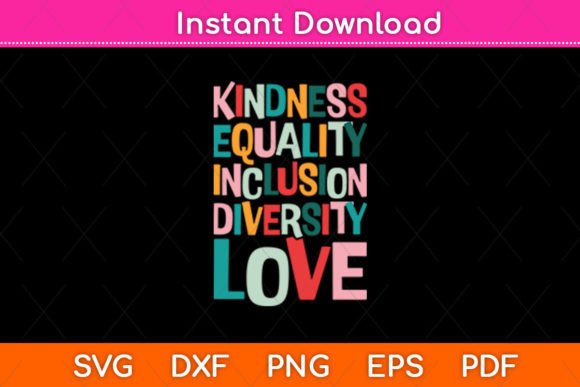
Upon first inspection, the Kindness Equality Inclusion Diversity layout carries a distinct visual personality that balances bold messaging with approachable aesthetics. For an Etsy seller or boutique owner, this balance is critical. Designs in this niche often lean too heavily into rigid typography or overly complex illustrations that muddy when stitched. This design, however, appears to prioritize clarity. The mood is uplifting yet professional, making it suitable for both adult custom apparel and educational environments.
The shape and flow of the artwork suggest it was created with intention. Unlike generic clip art, the spacing between elements allows for necessary thread breaks and color changes without creating excessive bulk. When digitizing or selecting an embroidery file based on this graphic, the open negative space is a major asset. It prevents the dreaded "bulletproof vest" effect on lightweight garments, ensuring the finished product remains wearable and comfortable. This visual breathing room is what separates a high-value handmade product from a stiff, mass-produced novelty item.
Real-World Application: The Teacher Tote Bag Test
To truly judge the viability of Kindness Equality Inclusion Diversity, I mentally placed it into a specific production scenario: a custom canvas tote bag for a teacher appreciation gift. This is a high-demand item for small shop product lines during back-to-school seasons and end-of-year gifting.
In this context, the design needs to perform under stress. Canvas is a textured, unforgiving substrate. If the stitch density is too high, the needle perforations can weaken the fabric; if too low, the canvas weave shows through, making the message look cheap. For this tote bag application, I would recommend treating the text elements with a sturdy satin stitch border or converting key words into an applique design. Appliqué reduces stitch count significantly while adding a tactile, premium feel that customers associate with quality personalized gifts.
Furthermore, consider the customer reaction. Teachers want items that signal their values without looking like a billboard. The Kindness Equality Inclusion Diversity aesthetic works here because it integrates seamlessly into a functional accessory. It elevates a basic utility item into a statement piece. For commercial embroidery businesses, this versatility means you can use the same core design assets across multiple products—from tote bags to sweatshirts—maximizing your return on investment for digitizing time.
Navigating Technical Constraints and Fabric Choices
While the theme is universally positive, the physical execution requires careful judgment. Not every fabric is a suitable canvas for Kindness Equality Inclusion Diversity. Here is where practical experience dictates caution:
- Stretchy Knits and Sweatshirts: This design likely contains linear elements or text. On stretchy fleece or jersey knits, improper stabilization will cause tunneling or distortion. You must use a cut-away stabilizer and potentially a topping to prevent stitches from sinking into the pile. Always test on scrap fabric identical to your final garment.
- Small Hoop Sizes: If you are working with a 4x4 hoop, resist the urge to shrink this design. Reducing size increases density and closes up letter gaps. If the details become indistinguishable at small scales, opt for a simplified version or a single word from the set rather than compromising legibility.
- Caps and Curved Surfaces: The horizontal span of inclusion-themed designs can be tricky on caps. The curvature of the hat combined with the push-pull of embroidery can distort straight lines. Ensure your digital embroidery file has been specifically compensated for cap framing, or stick to flat surfaces like patches or aprons.
- Dark Fabrics: High contrast is non-negotiable. White or metallic threads on navy or black fabric make the message pop, but they also highlight any registration errors. Run a test stitch-out to ensure your trims are clean and your color changes are precise.
Commercial Value and Brand Consistency
For creative entrepreneurs, the value of Kindness Equality Inclusion Diversity extends beyond a single sale. It serves as a cornerstone for brand identity within the education and advocacy niche. When listing items on Etsy or at craft fairs, consistency builds trust. Using this cohesive design language across tote bag design, sweatshirt embroidery, and even nursery decor creates a recognizable collection.
However, professionalism lies in the presentation. Before listing, create accurate printable mockups and photograph actual stitch-outs. Digital renderings can be deceiving. Buyers need to see how the thread colors interact with fabric texture in natural light. Does the red thread bleed visually against the pink background? Is the green too neon for a vintage-style tee? These nuances determine whether a browser becomes a buyer. Additionally, clearly communicate the care instructions. Items featuring dense embroidery or appliqué require gentle washing to maintain their integrity, and informing customers upfront reduces returns and increases satisfaction.
Essential Designer Notes for Success
Before you load the hoop and start production, adhere to these professional best practices to ensure your Kindness Equality Inclusion Diversity project meets industry standards:
- Verify Licensing: Since this originates as an SVG/print cut file compatible with Cricut and Silhouette, confirm that your specific embroidery file includes commercial usage rights for stitched goods. Never assume a vector license covers machine embroidery sales.
- Audit Stitch Types: Inspect the file in your editing software. Are there unnecessary jumps? Is the underlay appropriate for your chosen fabric? A running stitch underlay might suffice for twill, but a tatami fill requires edge-run underlay to prevent shifting.
- Contrast Check: View your design in grayscale or black and white before stitching. If the design loses definition without color, it relies too heavily on hue rather than structure. Good embroidery stands on form alone.
- Mockup Reality: Compare light and dark fabric backgrounds in your planning phase. Some designs require different color palettes depending on the base material. Document these variations for your craft business listings to offer more options without re-digitizing.
- Sample First: Never run a client order without a fresh test. Machine tension, humidity, and fabric batches change. A five-minute test stitch saves hours of frustration and protects your reputation as a maker.
Ultimately, Kindness Equality Inclusion Diversity offers immense potential for meaningful, marketable embroidery. By approaching it with technical respect and commercial awareness, you transform a simple graphic into a cherished, professional-grade product that resonates deeply with its intended audience.