Does Make My Papers SVG: Teacher Tote Bag Review
As a professional embroidery digitizer and product reviewer, I approach every new design file with a specific question: will this actually stitch out cleanly on a finished product? When evaluating the Does Make My Papers Svg,Teacher Tote Bag design from BOO DESIGN, my focus shifts immediately from the digital preview to the physical reality of needle and thread. This isn't just about whether the graphic looks cute on a screen; it is about whether it translates into a high-quality handmade product that a teacher would be proud to carry or an Etsy seller can confidently list.
The package includes SVG, DXF, EPS, and 300 DPI PNG files. While these are standard vector and raster formats for cutting machines and sublimation, as an embroidery professional, I must emphasize that these are source graphics. They are not pre-digitized machine embroidery files. This distinction is vital for any craft business or hobbyist planning to use this for stitching. You will need to digitize this artwork yourself or hire a digitizer to convert these clean vectors into stitch data. However, having high-quality source art like this is the foundation of excellent custom apparel and accessories.
First Impressions and Design Personality
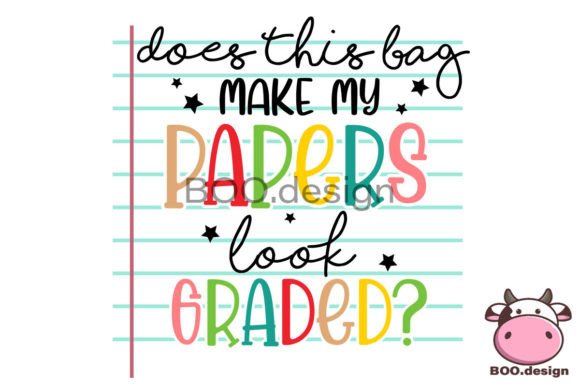
Visually, the "Does Make My Papers" theme strikes a perfect balance between professional and playful. It captures a specific niche humor that resonates deeply with educators. The layout suggests a bold, readable aesthetic that is essential for a tote bag design. In the world of Graphics intended for Crafts, clarity is king. A tote bag is often viewed from a distance or while in motion, so the typography and iconography need to be distinct.
The mood is lighthearted yet functional. It avoids being overly juvenile, making it appropriate for K-12 teachers, university professors, and administrative staff alike. For a small shop product, this broad appeal is valuable. The design assets provided are crisp, which means when you trace them for satin columns or fill areas, you won't be fighting jagged edges or pixelation. Clean lines in the source file usually result in smoother running stitches and more precise registration during the actual embroidery process.
Real-World Application: The Custom Teacher Tote
Let’s walk through a real-life scenario. Imagine a client requests a personalized canvas tote bag for a retiring teacher. They want the "Does Make My Papers" phrase featured prominently. Using this design as your base, you have a strong starting point for a memorable personalized gift.
Because this is a vector-based graphic, you have the flexibility to resize elements without losing quality before digitizing. For a standard 15x18 inch tote, I would recommend keeping the design width between 9 and 11 inches to maintain proportion. If you are creating sweatshirt embroidery instead, the design scales down beautifully for a left-chest placement or a full-back print. The versatility here is significant for makers who want to offer the same theme across multiple products, from holiday embroidery gifts to everyday school gear.
For those selling digital embroidery files, this artwork provides a reliable template. Because the lines are well-defined, auto-digitizing features in software like Hatch or Wilcom will likely require less manual cleanup than a low-resolution JPEG would. However, always treat auto-digitized results as a draft. The charm of this design lies in its legibility, and only manual adjustment of stitch angles and underlay can guarantee that the text remains readable on textured canvas.
Fabric Considerations and Stitching Challenges
While the Does Make My Papers Svg,Teacher Tote Bag artwork is versatile, the final output depends heavily on your substrate. Tote bags are typically made of canvas, duck cloth, or denim. These are stable fabrics, but they have texture. If you plan to use intricate details or tiny lettering derived from this graphic, be cautious. Textured fabric can swallow fine details. I recommend simplifying small elements or increasing column widths if you are stitching directly onto heavy canvas.
If you are adapting this design for stretchy fabrics like t-shirts or sweatshirts, stabilizer choice becomes non-negotiable. The design likely contains text elements that require stability to prevent puckering. Use a high-quality cut-away stabilizer for knits and a tear-away for woven tote bags. Always test your stitch density on a scrap of the exact fabric you intend to use. Canvas requires different tension and needle sizes than cotton jersey.
Be mindful of dark fabrics. The provided PNG has a transparent background, which is excellent for mockups, but remember that embroidery does not print white ink. If you stitch this on a navy tote, you must account for contrast. You may need to add a knockdown stitch or a light-colored appliqué background behind the design elements to ensure the message pops. Without this foresight, even the best machine embroidery design can disappear against a dark background.
Commercial Viability and Professional Presentation
For Etsy sellers and boutique owners, presentation drives sales. The included 300 DPI PNG files are ideal for creating printable mockups. Before you even thread your needle, you can place this design onto digital tote bag templates to show customers exactly what they are buying. This reduces uncertainty and increases conversion rates. High-resolution assets signal professionalism and help build buyer trust.
However, a critical note for commercial users: verify your licensing. BOO DESIGN provides these files, but you must confirm whether your purchase includes commercial rights for selling finished embroidered goods versus selling the digital files themselves. Never resell the raw SVG or DXF files as your own design assets. Respect the intellectual property of the original artist while building your own unique embroidery project lineup.
When listing finished items, highlight the customization potential. Since you are working from source vectors, you can easily swap "Papers" for "Grading," "Lesson Plans," or a specific subject like "Math Tests." This adaptability makes the Does Make My Papers Svg,Teacher Tote Bag concept a scalable product line rather than a one-off item. Customers love options, and vector graphics give you the power to provide them efficiently.
Designer Notes for Successful Execution
To ensure your finished product meets professional standards, follow these practical guidelines when working with this design:
- Test Stitch First: Never run a new digitization on a final product. Always test on similar scrap fabric to check registration and tension.
- Check Hoop Size: Confirm your digitized version fits within your machine’s maximum embroidery area. Tote bags can be bulky to hoop; consider using magnetic hoops or adhesive stabilizers for better fabric control.
- Thread Color Contrast: View your digitized file in black and white mode to ensure value contrast exists independent of color. This ensures readability even if the customer requests a monochromatic palette.
- Simplify for Durability: Tote bags endure wear and tear. Avoid excessively long satin stitches that might snag. Break wide columns into textured fills or split satins for better durability.
- Mockup Realistically: Use the 300 DPI PNG to create realistic previews, but add a disclaimer that actual stitch colors may vary slightly from screen displays.
- Verify File Integrity: Before purchasing or downloading, ensure you have the software capable of opening SVG, DXF, or EPS files for editing. If you lack vector software, you may be limited to using the PNG as a tracing template.
Ultimately, the Does Make My Papers Svg,Teacher Tote Bag represents a high-potential asset for the creative entrepreneur. It bridges the gap between digital art and tangible craft. By approaching it with technical respect and practical testing, you can transform these vector files into beautiful, durable, and profitable embroidered goods that truly serve the teaching community.