100 Days of Loving School Retro SVG Review
As a designer who bridges the gap between digital graphics and tangible textiles, I approach every new asset with a specific question: will this actually stitch well? The 100 Days of Loving School Retro SVG arrives as a digital cutting file optimized for platforms like Cricut and Silhouette, but for those of us in the embroidery and apparel decoration space, its value lies in its adaptability. When evaluating this graphic for real-world application, I am not just looking at clean vector lines; I am visualizing how those retro curves will translate into satin stitches, fill patterns, and appliqué layers on physical garments.
Translating Retro Aesthetics to Stitched Reality
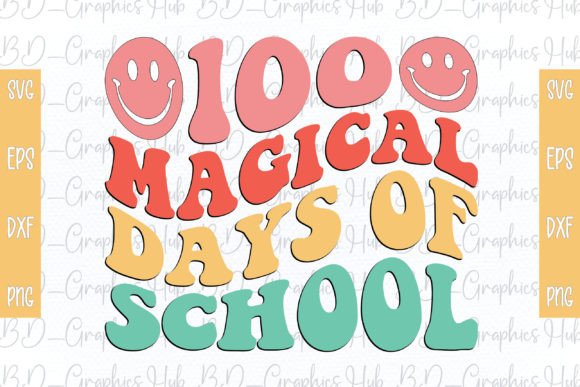
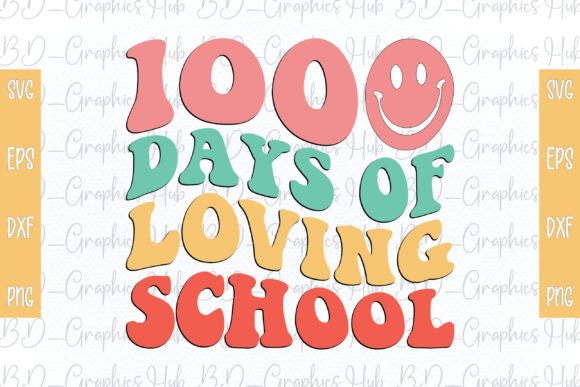
My first impression of the 100 Days of Loving School Retro SVG is that it captures a specific nostalgic warmth essential for school milestones. The typography likely features the bubbly, groovy serifs characteristic of 70s-inspired design trends currently dominating the handmade market. For an embroidery designer, this aesthetic is gold, but it requires careful interpretation. Retro fonts often have varying stroke widths that look effortless on screen but can be problematic under the needle. Before importing this into digitizing software or using it as a template for machine embroidery design, I assess the letter spacing. Tight kerning in retro graphics can cause thread buildup and fabric puckering. This particular design feels open enough to accommodate standard stitch types without losing its playful personality, making it a strong candidate for both custom apparel and personalized gifts.
The mood this graphic creates is celebratory yet relaxed. It does not feel rigid or academic, which makes it perfect for modern parents and teachers who want to mark the 100-day milestone with something fun rather than formal. In terms of visual hierarchy, the layout appears balanced, suggesting it would center beautifully on a sweatshirt chest or tote bag front without requiring extensive repositioning during the digitizing process.
Real-World Application: The Teacher Sweatshirt Test
To truly evaluate this asset, I mentally placed it in a current client scenario: creating a batch of crewneck sweatshirts for a kindergarten teacher celebrating her 100th day. Teachers are a massive demographic for Etsy sellers and small shop products, and they demand durability alongside style. Using the 100 Days of Loving School Retro SVG as the base art, I envisioned a mixed-media approach. Because this is originally a cutting file, it serves as an excellent guide for creating an appliqué design. I would cut the main retro text from vintage-style floral cotton using my cutter, then use the SVG outline to create a placement line and tack-down stitch in my embroidery software.
This hybrid method reduces stitch density significantly compared to a full-fill stitch design, keeping the sweatshirt soft and wearable—a critical factor for customer satisfaction. The retro vibe of the graphic pairs exceptionally well with textured fabrics like French terry or fleece. If I were stitching this directly without appliqué, I would convert the thicker parts of the retro letters to column stitches and the thinner connectors to running stitches or bean stitches to maintain the design's integrity without causing thread breaks. This versatility makes the graphic a high-value asset for craft business owners looking to expand their holiday embroidery or school celebration inventory.
Navigating Fabric Limitations and Hoop Constraints
While the 100 Days of Loving School Retro SVG is visually appealing, practical execution requires caution regarding fabric choice and hoop size. Retro designs often have organic, flowing shapes that do not always fit neatly into standard rectangular hoops. Before committing to a production run, verify your hoop size against the design’s aspect ratio. You may need to rotate the design or split it if you are working with smaller hoops on baby embroidery projects or cap frames.
Fabric texture plays a massive role in how this specific graphic performs. On smooth cotton, the retro lines will remain crisp. However, on highly textured fabrics like terry cloth towels or pique knits, the fine details of retro typography can get lost. In these cases, I recommend adding a knockdown stitch layer beneath the design or opting for a bolder variation of the SVG if available. Stretchy fabrics present another challenge; the curved nature of retro lettering can distort if the stabilizer is insufficient. Always use a high-quality cut-away stabilizer for knit garments to prevent the "smiling" effect where the bottom of the design pulls upward after washing. For dark fabrics, ensure the design has enough internal contrast or plan for a light-colored underlay so the retro colors pop rather than sinking into the garment dye.
Elevating Product Value and Brand Consistency
For Etsy sellers and creative entrepreneurs, the difference between a generic product and a bestseller often lies in cohesive branding. The 100 Days of Loving School Retro SVG offers a distinct visual language that can unify a collection. When customers see this retro aesthetic applied consistently across tote bags, patches, and digital printables, it builds brand recognition. The design’s inherent charm increases the perceived value of the finished product because it taps into current trend cycles while remaining timeless enough to avoid looking dated next season.
Furthermore, this graphic supports professional presentation. High-quality mockups are essential for digital product sellers and apparel decorators. Because the SVG format scales infinitely without pixelation, you can create crisp, printable mockup overlays that accurately represent how the final embroidered patch or vinyl decal will look. This clarity builds buyer trust. When a customer can clearly see the retro details in your listing photos, they are more confident in purchasing a personalized gift or boutique item. Just remember to check the licensing terms included in the ZIP folder to confirm whether you can use the graphic for commercial embroidery projects or if it is limited to personal use and physical end-products only.
Essential Designer Notes for Success
Before loading this design into your machine or listing it in your shop, run through this practical checklist to ensure professional results:
- Test Stitch First: Never assume a vector graphic translates perfectly to thread. Run a test on scrap fabric similar to your final project to check for registration issues between the SVG outline and your stitch file.
- Verify Licensing: The product description mentions compatibility with cutting machines, but does not explicitly state embroidery commercial rights. Confirm you are licensed to sell finished goods featuring this design.
- Check Contrast: Retro color palettes can sometimes be low-contrast. Test thread colors against your fabric background to ensure readability, especially for small text elements.
- Stabilizer Selection: Match your stabilizer to the fabric weight. Use tear-away for stable wovens and cut-away for stretchy knits to preserve the retro shape.
- Mockup Accuracy: Use the SVG to create accurate black-and-white and color mockups. Compare these against actual stitch-outs to manage customer expectations regarding texture and sheen.
- Detail Inspection: Zoom in on the smallest curves of the retro font. If they are thinner than 1mm, consider thickening them slightly in your software to prevent needle deflection.
The 100 Days of Loving School Retro SVG is more than just a digital download; it is a foundational element for creating meaningful, trend-aware handmade products. By approaching it with a technical eye and respecting the translation from screen to stitch, makers can turn this charming graphic into profitable, cherished keepsakes that celebrate educational milestones with genuine style.